Two Days in Tallahassee: Building Momentum for HB 1377
Last week, the Water Safety Association of Florida (WSAF) spent two full days in Tallahassee meeting directly with state representatives to build support for HB 1377—critical legislation focused on improving safety in cooling towers and supplemental disinfection systems. Our goal was simple: make sure decision-makers understand why this bill matters, how it protects public health, and why Florida is ready for a practical, prevention-first approach to reducing Legionella risk.
Florida faces elevated risk from waterborne pathogens due to climate and the concentration of high-rise housing, hospitals, senior living communities, and large campuses. WSAF notes that Florida currently lacks a statewide cooling-tower registry or a mandated water-management reporting system, and that a centralized, technology-driven approach can improve visibility and early-warning coordination for public-health response.
“Preventing waterborne disease requires consistent baseline practices and better statewide visibility,” said Daniel Joseph Kane, President & CEO of the Water Safety Association of Florida. “These bills are intended to set clear expectations for registration, monitoring, maintenance planning, and response actions—so problems are identified earlier and addressed faster.”
If enacted, the companion bills would:
- Require owners to register covered systems in a statewide electronic system designated by the Florida Department of Health, with data accessible to county health departments.
- Require owners to maintain records for at least three years, including sampling results, disinfection schedules, inspection findings, corrective actions, and certifications.
- Establish routine bacteriological culture sampling while systems are in use (at intervals not more than 28 days) and routine Legionella culture sampling (monthly while in use), with response actions based on results.
- Require notification to the county health department within 24 hours after receiving a Legionella result that exceeds 1,000 CFU/mL, and public notification in a manner determined by the health department.
- Require routine inspections of cooling towers while in use (at intervals not more than every 90 days) and annual certification each year by November 1 beginning in 2026.
- Set key implementation dates including an effective date of July 1, 2026, and 90-day reporting beginning July 1, 2027.
WSAF encourages building owners, facility managers, healthcare and senior-living operators, public agencies, and water-management professionals to review the proposed legislation and participate in stakeholder discussions focused on practical implementation and measurable public-health protection.
Why HB 1377 Matters
HB 1377 is built around a clear public-health purpose: strengthening oversight and accountability in building water systems where Legionella can grow when equipment is improperly maintained. The bill outlines a framework that emphasizes routine maintenance, clear standards, and reporting, so problems can be identified and corrected before they become a crisis.
Day One: Strong Conversations & a Strategic Dinner
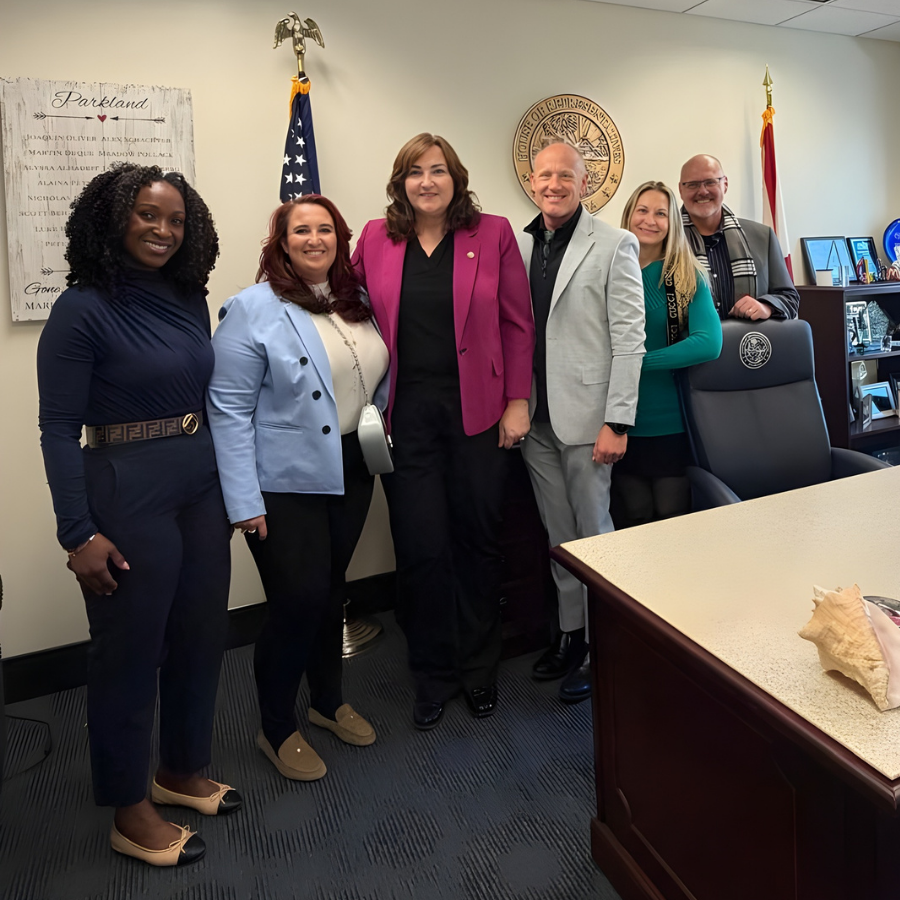
Day One was focused and productive. We began the day with meetings with Rep. Robin Bartleman and Rep. Jason Shoaf. Both conversations were thoughtful, solutions-oriented, and grounded in protecting Floridians. We discussed what building water safety looks like in real life—how prevention depends on consistent maintenance practices, timely corrective action, and clear lines of responsibility.
That evening, we had dinner with Rep. Gallop Franklin II, the sponsor of HB 1377. The dinner was an important opportunity to align on the road ahead, talk through priorities, and reinforce the urgency of moving HB 1377 forward. We are grateful for Rep. Franklin’s leadership and willingness to champion water safety in Florida.
Day Two: Expanding the Circle of Support
Day Two was dedicated to meeting with the remaining representatives on our outreach list—and the momentum grew with every conversation.
We met with:
- Rep. Marie Woodson
- Rep. Rob Long
- Rep. Michelle Salzman
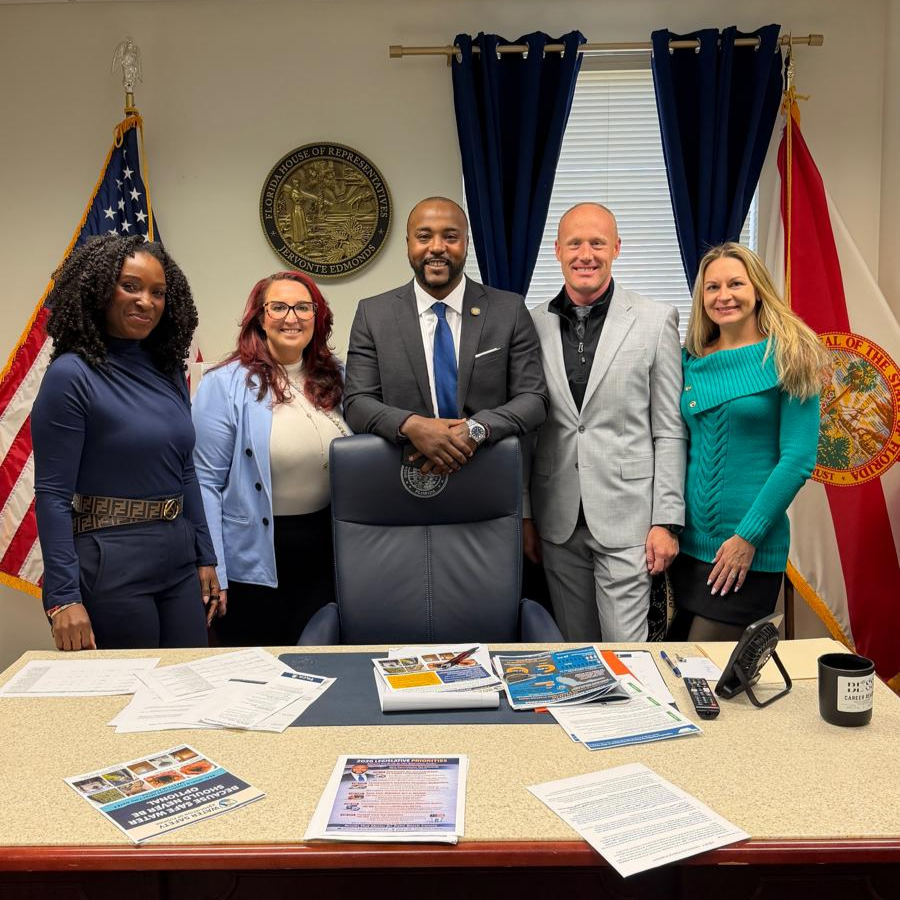
- Rep. Tae Edmonds
We were encouraged to hear strong interest in co-sponsoring HB 1377. That kind of early engagement matters. Co-sponsorship signals that legislators see the value of this bill—not as a partisan issue, but as a public-safety measure that affects communities across the state.
We also met with representatives who expressed clear support for the bill continuing to move forward, including:
- Rep. Christine Hunschofsky
- Rep. Shane Abbott
Each meeting reinforced the same theme: when it comes to protecting people and improving safety, Florida can lead with smart, workable policy.
A Huge Thank You to Scott Dick and the SKD Team
This kind of outreach doesn’t happen without expert guidance and coordination. We want to extend a big thank you to our lobbyist group, Scott Dick and the SKD team, for helping organize meetings, navigate the Capitol schedule, and keep our advocacy efforts focused and effective.
Moving Forward
These two days in Tallahassee were about more than meetings—they were about building relationships, sharing real-world perspective, and advancing legislation that can make a meaningful difference for public health in Florida.
WSAF will continue working with lawmakers, partners, and stakeholders to help HB 1377 advance through the process. We’re grateful to every representative who took time to meet with us, ask questions, and engage seriously on water safety.
If you support stronger building water safety standards and practical prevention measures, stay connected with WSAF—because this is exactly the kind of policy work that protects people before tragedy strikes.
Join Our Mission to Keep Florida’s Water Safe
About Us
WSAF is a nonprofit organization dedicated to protecting Florida’s communities through safer building water systems.
Contact Us
Phone: (123)123-1234
Email:
support@floridawatersafety.com